
Every brand sourcing products overseas wants the same outcome. Consistent quality, on-time delivery, and happy customers. Yet many businesses still depend on a single quality checkpoint, the final inspection, to protect their orders. Understanding the difference between inline vs final inspection is one of the most important quality control decisions you can make when sourcing apparel, because it often decides whether your shipment leaves on time or turns into an expensive problem.
At first glance, relying on a final inspection seems reasonable. A qualified inspector visits the factory, checks a sample of finished products against the agreed specifications, compares the defect rate to the Acceptable Quality Limit (AQL), and approves or rejects the shipment.
However, there is one major problem.
By the time a final inspection happens, production is already finished. The factory has cut the fabric, sewn the garments, completed finishing, attached the labels, and packed the cartons. So if a significant issue shows up at this stage, fixing it becomes expensive, slow, and sometimes impossible without delaying shipment.
This is where inline inspection changes the game. Instead of discovering problems after production ends, inline inspection catches issues while the factory is still making the order. As a result, everyone involved gets enough time to correct mistakes before they spread across thousands of products.
Once you understand inline vs final inspection properly, you can reduce quality risks, lower costs, improve supplier performance, and protect your delivery schedule.
What Is Final Inspection in Quality Control?
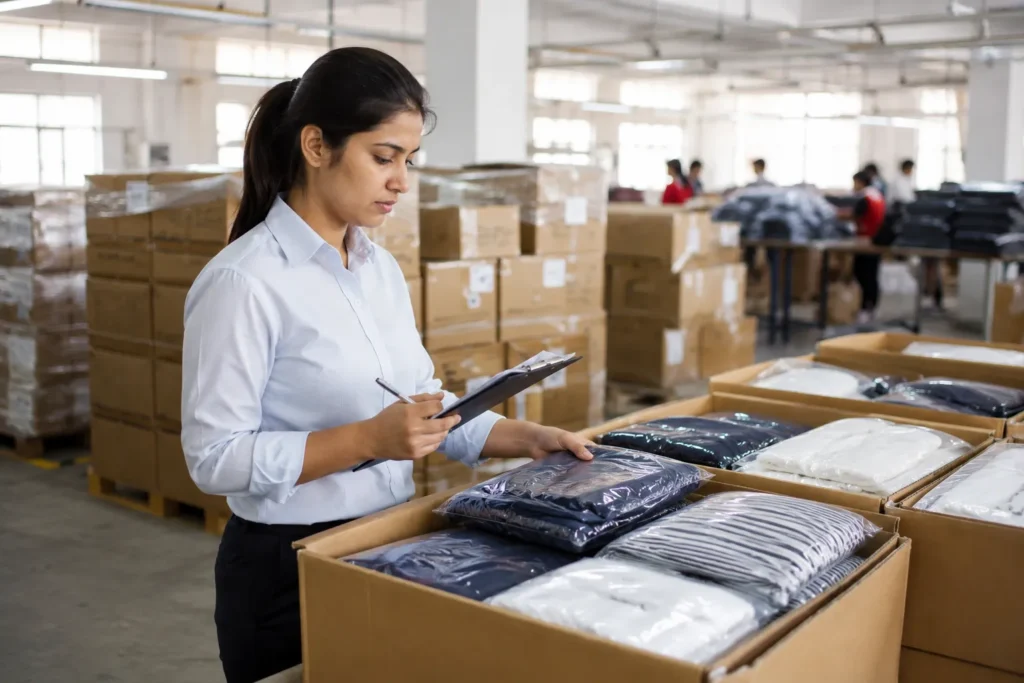
A final inspection, often called a Pre-Shipment Inspection (PSI) or Final Random Inspection (FRI), is the last quality check before goods leave the factory.
Inspectors usually run it when:
● Production is 100% complete
● At least 80% of products are packed
● Goods are ready for shipment
● Cartons are available for random sampling
The inspector then selects products according to internationally recognized AQL standards and evaluates measurements, fabric quality, color consistency, stitching, labels and branding, packaging, workmanship, functionality, quantity, and carton condition.
If the defect rate falls within the agreed AQL level, the shipment passes. If not, you have to decide whether to reject the shipment, request rework, negotiate a discount, delay shipment, or accept the risk.
This process verifies finished products well. However, it cannot prevent production mistakes that happened weeks earlier. Therefore, that timing gap is the biggest limitation of relying only on a final inspection.
What Is Inline Inspection?
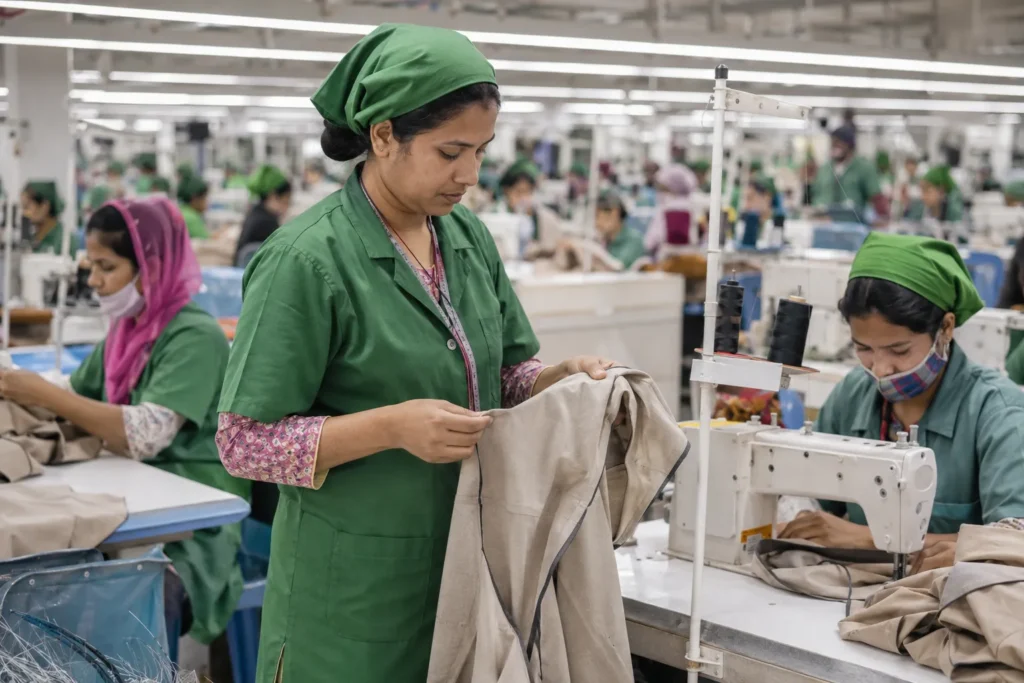
Unlike a final inspection, inline inspection happens during production rather than after it ends. Instead of checking only the finished outcome, inspectors monitor manufacturing at different stages and catch quality issues before they affect the whole order.
Think of it as solving problems while they are still small, rather than waiting until they become expensive. In practice, inline inspection usually includes several checkpoints throughout production.
1. First Piece Inspection
The first finished garment coming off the line gets compared directly against the approved sample. Inspectors verify measurements, fabric, stitch quality, construction, print placement, embroidery, accessories, labels, trims, and overall workmanship.
If any deviation appears, production pauses until the factory makes corrections. For this reason, first piece inspection stops incorrect production from running through the entire order.
2. Mid-Production Inspection
This is often the most valuable stage of the whole quality control process. It normally takes place when roughly 20 to 30 percent of production is complete.
At this point, inspectors examine production consistency, sewing quality, measurements, fabric defects, color variation, machine settings, operator performance, process compliance, and packaging preparation.
If problems appear here, the factory still has enough time to fix them before producing the remaining 70 to 80 percent. As a result, one early catch can save the entire run.
3. Final Inline Inspection
Before packing begins, inspectors run another review while the products are still easy to access. This check confirms that the team corrected previous issues, that production quality stayed consistent, that products meet your specifications, and that defect rates remain under control.
Unlike a traditional final inspection, the goods are still available for quick rework if something needs attention.
Inline vs Final Inspection: The Biggest Difference
The key difference in inline vs final inspection is not simply where the inspection happens. It is when it happens.
A final inspection tells you what already happened. An inline inspection helps shape what happens next. In other words, final inspection is reactive, while inline inspection is proactive. One confirms quality. The other actively protects it.
Ultimately, that timing difference often decides whether a shipment leaves on schedule or runs into costly delays.
Inline vs Final Inspection: Why Final Inspection Alone Fails
Many buyers assume that passing a final inspection guarantees quality. Unfortunately, that assumption can get expensive. This is exactly where the inline vs final inspection gap shows up in real money.
Imagine this scenario. A garment factory starts production using the approved fabric. Two weeks later, the supplier runs out of stock and switches to another fabric batch. The color looks nearly identical. The texture feels slightly different. Shrinkage changes a little after washing. Most customers would notice.
However, production continues. Weeks later, during the final inspection, the inspector spots the inconsistency. By then, thousands of garments are already finished, cut, sewn, labeled, and packed.
Now you face hard choices. You can delay shipment, pay for expensive rework, negotiate compensation, or accept products that do not fully match the approved sample. Had an inline inspection caught the issue early, the factory could have corrected it after producing only a small portion of the order.
The Financial Impact of Late Quality Issues
Quality problems become dramatically more expensive as production moves forward. The table below shows how the cost climbs at each stage.
| Stage | Typical Cost to Fix |
| Design stage | Very low |
| Sample approval | Low |
| First piece inspection | Low |
| Mid-production inspection | Moderate |
| Final inspection | High |
| After shipment | Very high |
| After customer complaints | Extremely high |
The longer a defect goes unnoticed, the more it costs to correct. Moreover, late discoveries often trigger air freight costs, missed launch dates, retail penalties, production delays, extra inspections, lost sales, customer returns, and brand reputation damage. For many companies, these indirect costs end up larger than the actual manufacturing cost of the products.
Benefits of Inline Inspection
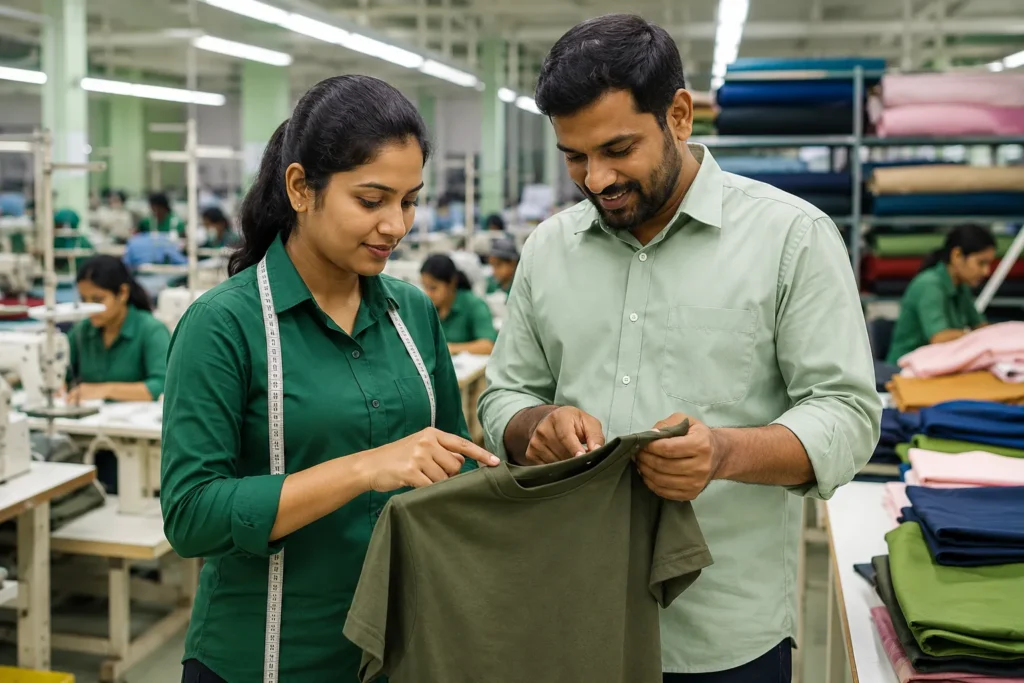
Inline inspection delivers value that goes well beyond product quality.
Early problem detection. You catch issues before they spread across the entire run.
Lower rework costs. Fixing 100 garments costs far less than fixing 10,000.
Better supplier communication. Factories get immediate feedback and adjust production quickly.
More consistent quality. Continuous monitoring keeps production aligned with the approved sample.
Improved delivery performance. Fewer surprises mean fewer shipment delays.
Stronger supplier relationships. Instead of arguing after production ends, you and the factory solve problems together during manufacturing.
Benefits of Final Inspection
Final inspection still matters. In fact, it remains an essential part of quality assurance. It gives you independent shipment verification, AQL compliance confirmation, packaging inspection, quantity verification, documentation, and final approval before shipping.
That said, you should treat it as the final checkpoint, not the only one.
Inline vs Final Inspection: Which Strategy Fits Your Business?
Not every order needs the same level of oversight. Different sourcing situations call for different quality control strategies.
High oversight. Best for first orders, new factories, complex garments, premium products, high-value orders, and strict retail compliance. Recommended checks: first piece inspection, mid-production inspection, final inline inspection, and final inspection.
Standard oversight. Suitable for repeat suppliers, medium-risk products, seasonal collections, and moderate complexity. Recommended checks: mid-production inspection and final inspection.
Basic oversight. Suitable for long-term trusted suppliers, proven production lines, simple products, and low-risk repeat orders. Recommended check: final inspection. Even then, periodic inline checks help maintain long-term consistency.
Building a Strong Quality Control System
Successful brands rarely depend on inspections alone. Instead, they build a complete quality system that includes approved production samples, clear technical specifications, supplier training, inline inspections, final inspections, continuous factory evaluation, root cause analysis, and corrective action plans. Each layer lowers risk and strengthens supplier performance over time.
How Sara Sourcing Handles Inline and Final Inspection
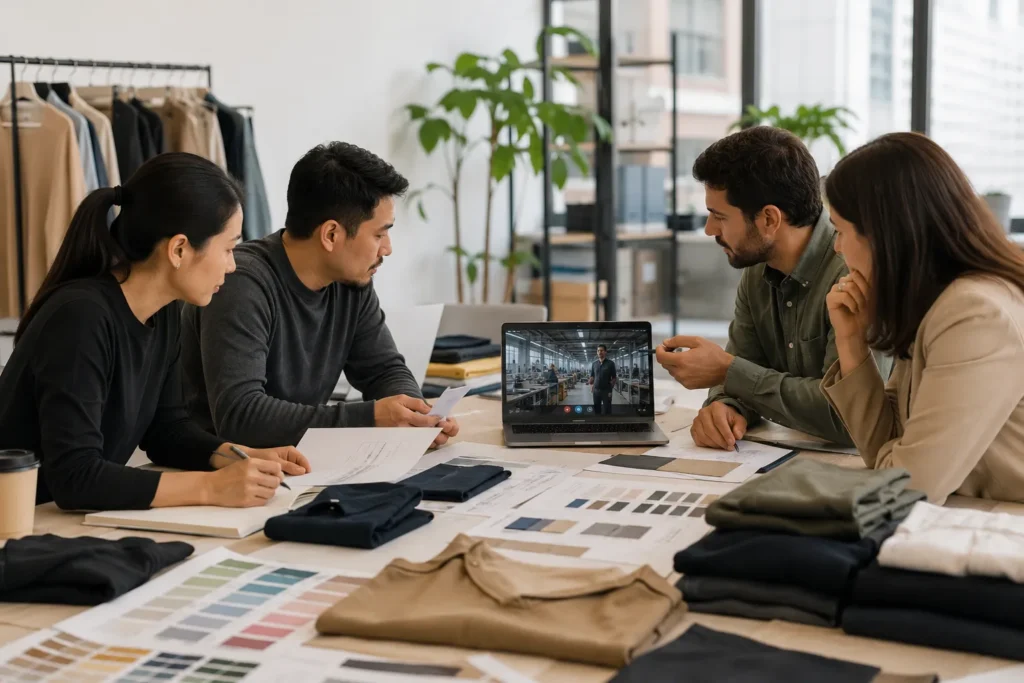
At Sara Sourcing Ltd, quality control starts long before the shipment is ready. We work closely with both brands and manufacturers and set inspection checkpoints before production even begins.
Our team handles production monitoring, inline inspections, mid-production quality checks, factory communication, corrective action follow-up, final inspections, real-time reporting, and shipment readiness verification.
So instead of finding out about problems after the container is booked, our clients get timely updates while production is still on the floor. That proactive approach reduces costly surprises and keeps quality consistent across every order.
Frequently Asked Questions
What is the difference between inline inspection and final inspection?
Inline inspection happens during production to catch and fix issues early, while final inspection happens after production to verify finished goods before shipment. In short, one protects the process and the other confirms the result.
Is final inspection enough?
For simple repeat orders with trusted suppliers, it may be enough. However, for new suppliers, complex products, or high-value orders, combining inline and final inspections gives much stronger protection.
When should inline inspection be conducted?
Teams usually run inline inspection during the first production run, at around 20 to 30 percent completion, and again before packing begins.
What is AQL in quality inspection?
AQL (Acceptable Quality Limit) is an internationally recognized sampling standard that helps inspectors decide whether a shipment meets the agreed quality requirements.
Why is Bangladesh a popular sourcing destination?
Bangladesh is one of the world’s largest apparel manufacturing hubs, with competitive pricing, skilled labor, and large-scale capacity. Strong quality control helps buyers make the most of these advantages while reducing risk.
Final Thoughts
When you compare inline vs final inspection, the real answer is not about choosing one over the other. Both serve different purposes. Final inspection confirms whether finished goods meet agreed standards before shipment. Inline inspection protects the production process itself by catching problems early, while they are still practical and affordable to fix.
Brands that consistently deliver high-quality products on time usually do not rely on luck or on finding better factories. Instead, they rely on stronger quality systems that combine proactive monitoring with independent verification.
So if your business sources apparel from Bangladesh, investing in both inline and final inspections can reduce defects, improve supplier accountability, cut shipment delays, and protect your reputation. After all, a quality issue caught in week two may only need a simple adjustment. The same issue found in week six could cost thousands, delay your launch, and hurt customer satisfaction. In quality control, timing is everything.
Contact Sara Sourcing Ltd
If you source garments or textile products from Bangladesh and want to strengthen your quality control, our team is here to help.
Sara Sourcing Ltd
Apparel Sourcing and Quality Management, Bangladesh
Email: ahmustakim@sarasourcing.com
We can help you build a practical inspection strategy that matches your product, your supplier, and your production timeline.