

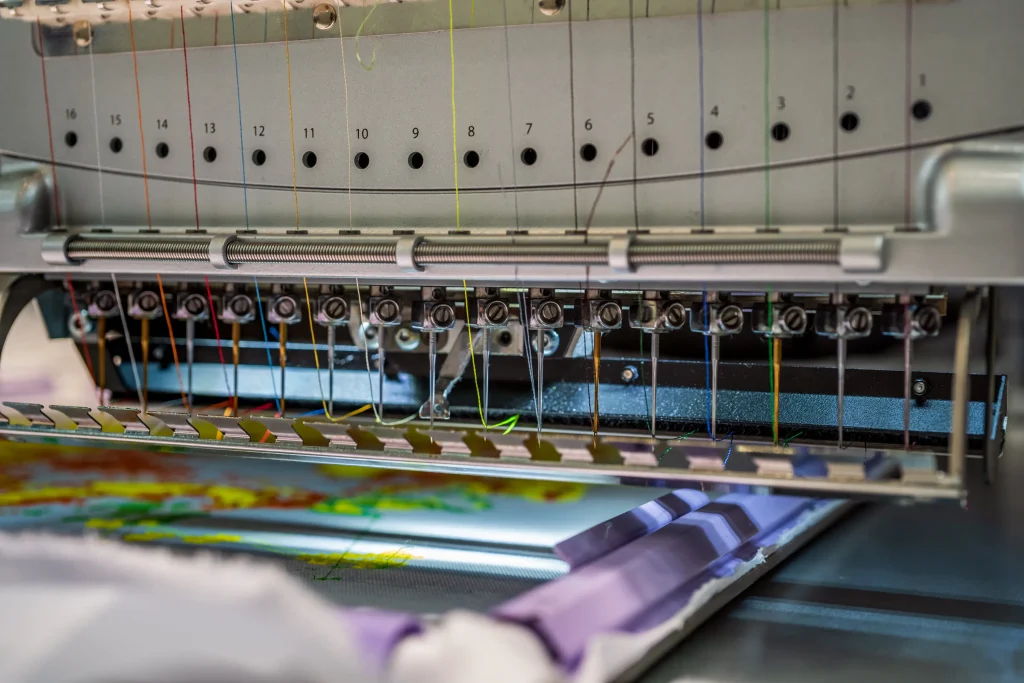
In the world of high-performance sportswear, activewear, and vibrant fashion, sublimation printing has become the gold standard. Its ability to produce high-definition, durable, and breathable prints is unmatched. However, for B2B apparel buyers, one nightmare constantly looms over bulk production: color shade variations in sublimation printing.
Imagine receiving a shipment of 10,000 jerseys only to find that the “Navy Blue” on the front panels doesn’t perfectly match the “Navy Blue” on the sleeves. Or worse, the color shifts from a vibrant red to a dull maroon halfway through the production run. At Sara Sourcing, we know that for global brands, color consistency is not just a detail; it is the foundation of brand integrity.
In this comprehensive guide, we will dive deep into the science of sublimation and reveal the systematic steps we take to eliminate color discrepancies in bulk apparel manufacturing.
The Science of Sublimation: Why Variations Happen
To eliminate a problem, you must first understand its root cause. Sublimation is a unique chemical process where solid ink is converted into gas under high heat and pressure, bypassing the liquid state. This gas then penetrates the fibers of the polyester fabric and solidifies, becoming a permanent part of the material.
Because this process relies on three volatile variables, Time, Temperature, and Pressure, even a microscopic change in any of them can lead to color shade variations in sublimation printing.
1. Temperature and Time Synchronization
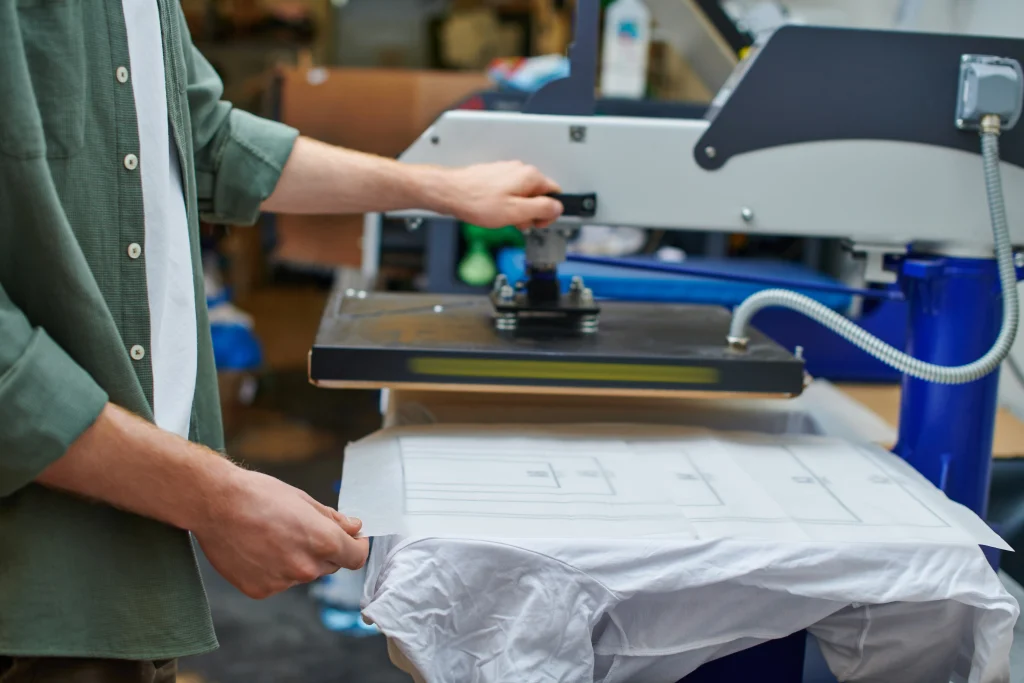
The most common culprit behind inconsistent colors is “Heat Press Fluctuation.” If the heat press machine is set to 200°C but the actual temperature on the heating plate varies by even 2 or 3 degrees, the ink will gasify differently.
How We Control It:
At Sara Sourcing, we only partner with factories that use advanced, digitally controlled industrial heat presses. We insist on:
- Uniform Heat Distribution: Regular testing of the heating plates to ensure there are no “cold spots.”
- Automatic Timers: Eliminating human error by using machines that automatically release once the precise dwell time (usually 35-45 seconds) is reached.
- Pre-heating Protocols: Ensuring the machine has reached a stable thermal equilibrium before the first piece of the bulk order is printed.
2. The Critical Role of Ink Quality and Pigment Density
Not all sublimation inks are created equal. Many low-cost manufacturers use “diluted” inks to save costs. These inks often have inconsistent pigment density between different batches. If the ink in the printer’s tank changes mid-way through your order, a color shift is inevitable.
The Sara Sourcing Standard:
We mandate the use of premium, high-density Italian or Japanese sublimation inks for our clients. These inks offer:
- High Color Gamut: Ensuring the “Neon” or “Pastel” shades you requested are exactly what you get.
- Batch Consistency: We ensure the factory uses ink from the same production lot for the entire bulk order to prevent color shade variations in sublimation printing.
3. Fabric Moisture and White Point Consistency
B2B buyers often overlook the fabric itself as a cause for color issues. Sublimation is designed for polyester. However, if the polyester fabric has a high moisture content (due to humidity in the warehouse), the moisture turns into steam during the heat press, interfering with the ink transfer.
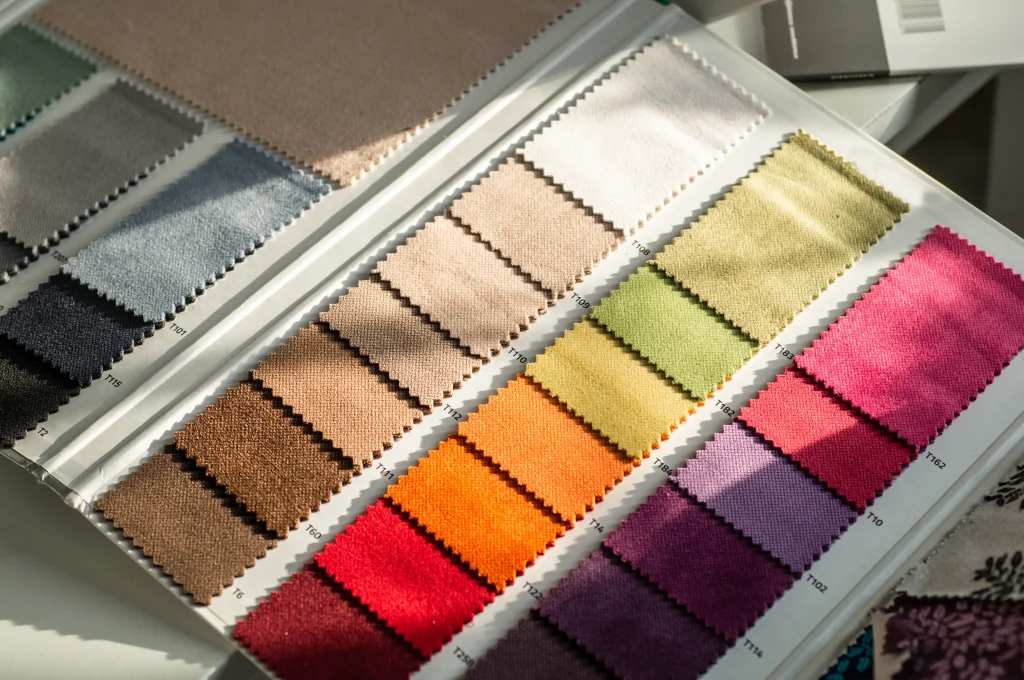
Furthermore, the “White Point” of the base fabric must be identical. If one batch of white fabric is slightly “creamy” and the next is “bluish-white,” the final printed color will look different on both, even if the same ink and heat settings are used.
Our Preventive Measures:
- Lot Control: We ensure all fabric for a single order is sourced from the same dye lot.
- Moisture Management: We require factories to store fabric in humidity-controlled environments and, if necessary, pre-dry the fabric before printing.
4. Transfer Paper Quality and Storage
The transfer paper acts as the carrier for your design. If the paper is of poor quality or has absorbed moisture from the air, it can “cockle” (wrinkle) during printing. This results in “ghosting” or uneven ink release, which is a major cause of color shifts.
Sara Sourcing ensures that our manufacturing partners, such as Daylight Apparel Ltd, use only high-quality coated sublimation paper. At Daylight Apparel, we maintain a strictly climate-controlled storage environment to prevent the paper from absorbing humidity. The premium coating on the paper ensures that the ink stays on the surface rather than soaking in, allowing for a 95% or higher transfer rate to the fabric. This synergy between Sara Sourcing’s strict material selection and Daylight Apparel’s superior storage facilities guarantees a vibrant and consistent output every time.
5. The Importance of Daily Calibration and ICC Profiling
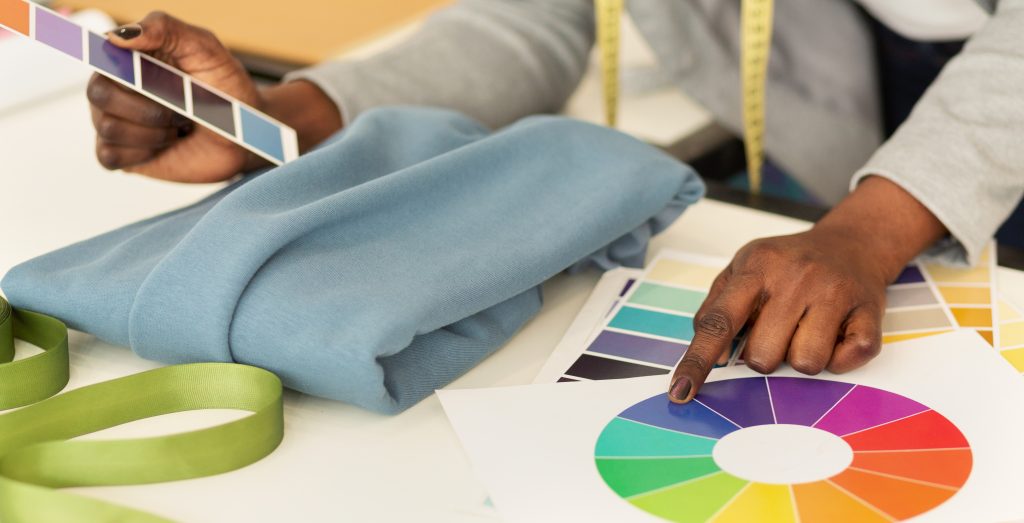
In digital printing, an ICC Profile is a set of data that ensures the colors on the computer screen match the colors coming out of the printer. Over time, print heads can clog or wear out, changing the output.
The Technical Edge:
We check that factories perform daily “Nozzle Checks” and “Print Head Alignments.” If a brand has a very specific Pantone requirement, we request a custom ICC profile specifically for that fabric and ink combination. This level of technical oversight is what eliminates color shade variations in sublimation printing.
6. Environmental Control in the Printing Room
Sublimation is sensitive to the environment. High humidity makes the paper soggy; low humidity creates static electricity that affects ink droplets.
A professional sublimation unit must be climate-controlled. By maintaining a constant temperature (around 24°C) and humidity (45-55%) in the printing room, we create a stable “micro-environment” that guarantees color stability from the first meter to the thousandth.
7. Sara Sourcing’s Multi-Stage Quality Inspection
Technical settings are important, but human oversight is the final line of defense. Our QC team doesn’t just wait for the finished garment; we inspect at every stage.
Our 4-Point Sublimation Check:
- The Master Sample Match: The very first print of the bulk run is matched against the approved “Golden Sample” under a calibrated light box (D65 light source).
- Interval Sampling: Every 100 pieces, our QCs pull a sample to check for “color drift.”
- Panel Matching: Before the pieces are sent to the sewing line, we check the front, back, and sleeve panels side-by-side to ensure they are identical.
- Post-Sewing Audit: A final check under standard lighting to ensure no heat-migration occurred during the final stages.
8. Why This Technical Precision Benefits B2B Buyers
When you eliminate color shade variations in sublimation printing, the benefits to your business are massive:
- Reduced Rejections: No more wasted inventory due to off-color garments.
- Customer Trust: Your retail customers get exactly what they see in your catalog.
- Seamless Re-orders: When you come back for a second run six months later, we use the same saved data to ensure the colors match your first order perfectly.
Conclusion: Partnering for Perfection
Consistency in bulk manufacturing is not an accident; it is the result of rigorous technical standards and relentless quality oversight. For B2B buyers, the challenge of color shade variations in sublimation printing can be solved by choosing a partner who understands the “why” behind the “what.”
At Sara Sourcing, we take the technical burden off your shoulders. We bridge the gap between your creative vision and the factory’s technical output, ensuring that every garment you receive is a vibrant, consistent representation of your brand.